

Ganesha Statue - Elephant God Statue
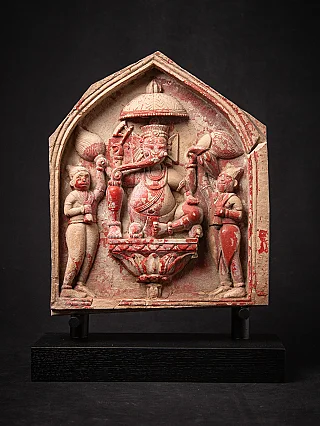
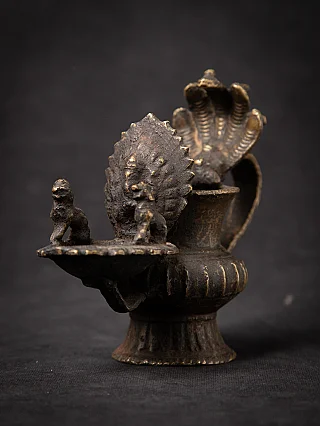
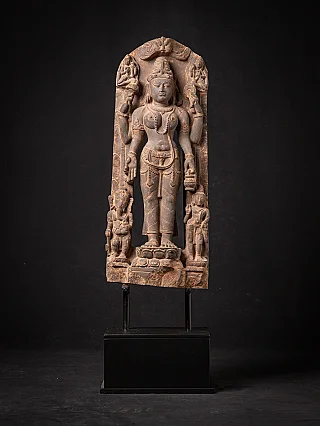
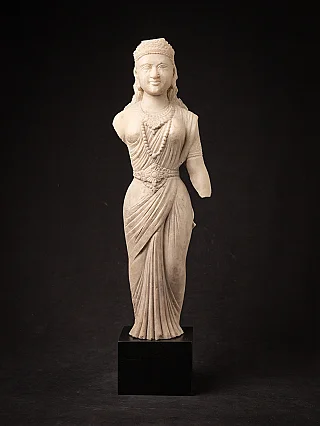
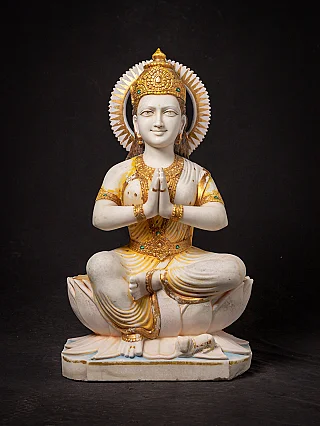
Ganesha holds a singular status in the Hindu sculptural tradition as the first-invoked deity and the remover of obstacles. Unlike goddesses such as Saraswati (knowledge) or Lakshmi (prosperity), Ganesha represents practical action, beginning, and problem-solving. He appears in every Hindu ritual's opening moments. For collectors, this means Ganesha statues carry distinctive cultural weight: owning a Ganesha piece signals respect for Hindu tradition's foundational invocation. His rotund form, elephant head, and varied hand gestures create infinite artistic interpretations across Nepal, India, and Southeast Asia, making Ganesha among the most collectible and visually diverse Hindu god statues.
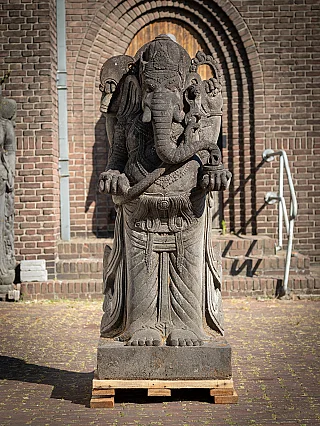
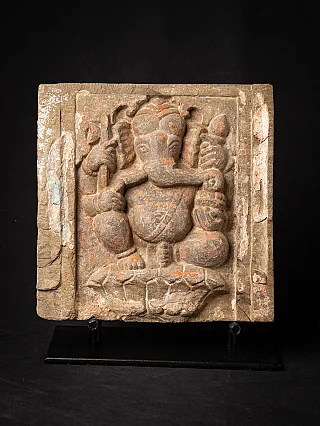
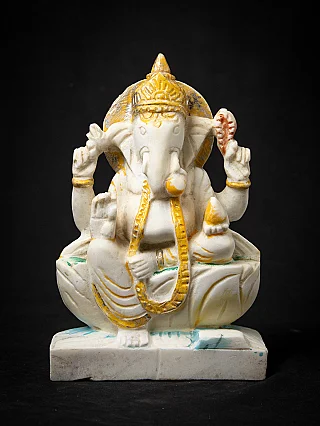
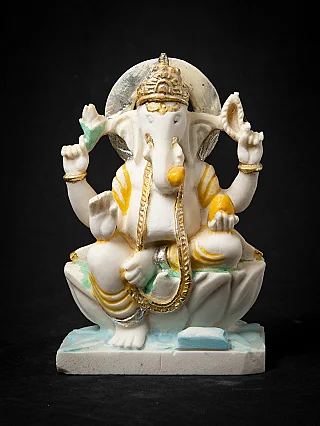
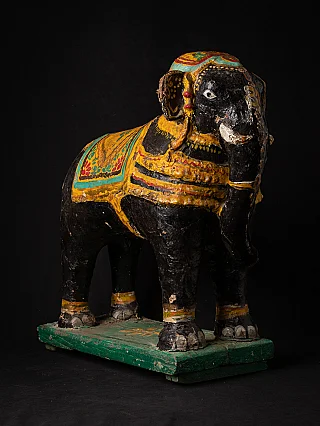
Why Collectors Choose Ganesha: Practical Symbolism
Ganesha's appeal to collectors operates on multiple levels. First, his role as obstacle-remover resonates with professional and entrepreneurial collectors seeking symbolic alignment with success and problem-solving. Second, his elephant form—rare among Hindu deity representations—creates visual distinctiveness in collections. Third, Ganesha works solo (unlike Parvati who is primarily Shiva's consort) and also appears paired with Shiva, giving collectors multiple acquisition pathways. Fourth, his syncretic presence extends beyond Hinduism into Buddhism and regional folk traditions, making him appealing to collectors interested in cross-cultural Hindu art. Finally, Ganesha's portability—statues range from miniature meditation pieces to monumental temple sculptures—allows collectors at all budget levels to participate.
Forms, Mudras, and Artistic Representations
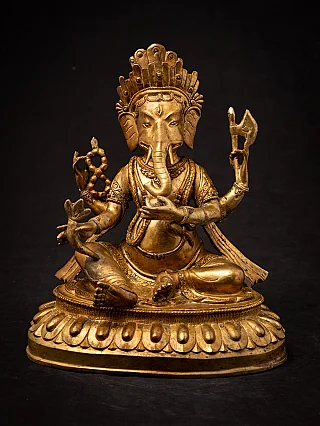
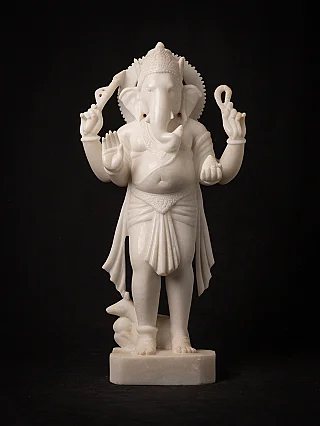
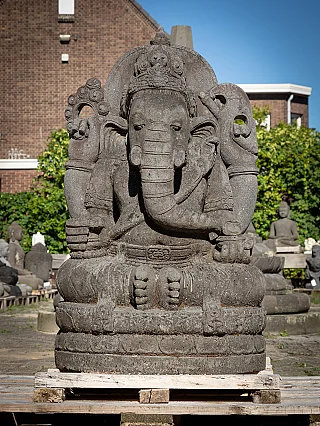
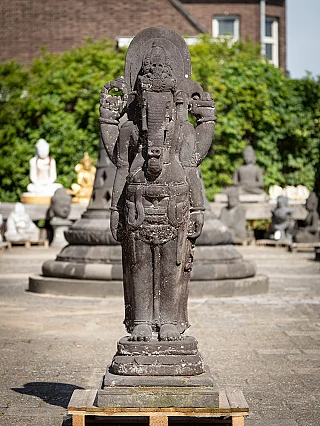
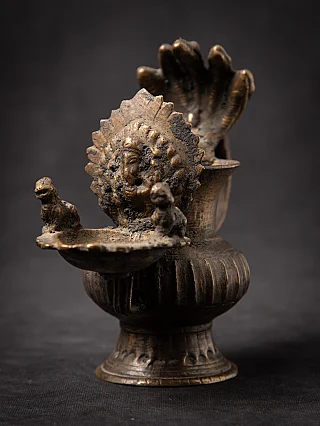
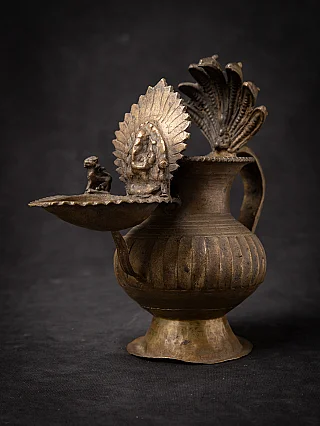
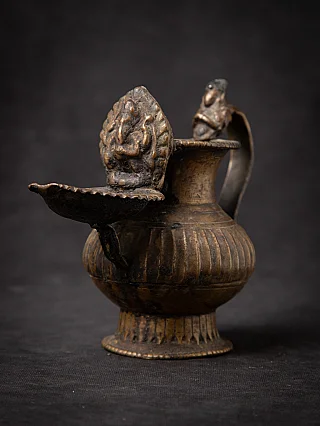
Ganesha appears in more representational variety than other Hindu deities. The classic form shows him with an elephant head, rotund belly, four arms, and attributes including a modaka (sweet dumpling), axe, rope, or broken tusk. His hand gestures—mudras—communicate specific meanings: the Abhaya mudra (palm facing outward) signals blessing; the Varada mudra grants boons. However, Ganesha also appears in abstract representations focusing on his muladhara chakra associations, as geometric symbols, and in minimalist carved forms where only facial features distinguish him from the stone. Nepalese bronze Ganesha pieces emphasize intricate detail and jewelry; Indian stone sculptures showcase regional carving styles from South Indian curvilinear forms to North Indian geometric precision. This formal diversity means collectors can specialize by representation type (iconic vs. abstract), material, or regional school without exhausting artistic possibilities.
Authenticity, Display, and Collecting Strategy
Authentication for Ganesha follows material-specific pathways. Bronze pieces reveal age through patina development and hand-finishing marks; stone pieces through regional stone types and carving conventions. One distinctive authentication marker: Ganesha's proportions vary dramatically by regional tradition. Nepalese pieces emphasize facial detail and jewelry; South Indian pieces feature curvaceous, flowing forms; North Indian pieces highlight geometric proportional relationships. Collectors developing expertise often specialize in one regional school to master these conventions. Display considerations differ from goddesses: Ganesha's standalone status means he anchors spaces powerfully. Large pieces function as major spatial elements; small pieces work as personal practice objects on altars or desks. His obstacle-removing role makes him popular for office and workspace display, attracting collectors seeking symbolic alignment with work and achievement. Wooden pieces develop rich patina and work well in home environments; bronze pieces withstand environmental variation and emphasize fine detail.
Building a Ganesha Collection: Pathways Forward
Ganesha collectors follow distinctive acquisition patterns. Some pursue representation diversity—acquiring iconic elephant-headed pieces alongside abstract mudra-focused sculptures to explore artistic interpretation boundaries. Others pursue regional school collecting—acquiring Nepalese, Indian, and Thai pieces to study how geographic traditions solve Ganesha's representational challenge. Material-based collectors compare how bronze, stone, and wooden versions render his form and symbolism. Syncretic collectors pursue pieces showing Buddhist-Hindu fusion or regional folk adaptations. Size-based collectors build collections ranging from miniatures (meditation focus objects) to large pieces (room-anchoring sculptures). The obstacle-remover angle particularly appeals to professional collectors seeking symbolic affiliation—acquiring a meaningful Ganesha piece represents intentional choice of a deity associated with clearing barriers and enabling progress.
Frequently Asked Questions (FAQs)
ENGLISH
Q1: What makes Ganesha different from other Hindu deities for collectors?
Ganesha is the first-invoked deity in Hindu ritual, appearing before any other god. This unique status means Ganesha statues carry symbolic weight around beginnings, obstacle-removal, and problem-solving. Unlike goddesses focused on knowledge (Saraswati), prosperity (Lakshmi), or devotion (Parvati), Ganesha represents practical action and enabling success. This appeals particularly to professional collectors seeking alignment with achievement and barrier-removal.
Q2: How do collectors distinguish between Ganesha representation types?
Ganesha appears in iconic form (elephant-headed with four arms, attributes), mudra-focused representations (emphasizing hand gestures), abstract geometrical forms, and minimalist carved versions. Collectors specialize by choosing representation types: some prefer iconic pieces for visual clarity, others pursue abstract versions for philosophical depth. Regional schools solve Ganesha's representation challenge differently—Nepalese pieces emphasize facial detail, South Indian pieces feature flowing forms, North Indian pieces highlight geometric precision.
Q3: What materials are best for Ganesha statues and why?
Bronze dominates for collectors seeking fine detail and authentic aging through patina development. Stone (marble, sandstone) conveys permanence and regional origin through stone type selection. Wooden pieces develop rich patina records and work well in residential settings. Material choice depends on collector focus: bronze for detail work and authentication study, stone for visual weight and regional exploration, wood for artisanal tradition appreciation. All materials respond well to stable climate control.
Q4: Can Ganesha statues be paired with other deities?
Yes—Ganesha frequently appears paired with Shiva, his father in Hindu mythology. Paired compositions appeal to collectors interested in theological relationships and family narratives. Ganesha also works powerfully as a standalone piece, making him more flexible than goddesses like Parvati who are primarily depicted with consorts. This gives Ganesha collectors more acquisition options and compositional variety.
Q5: Where should Ganesha statues be displayed?
Ganesha's role as obstacle-remover makes him particularly suited for workspace, office, and professional environments—a unique advantage among Hindu deities. Collectors often position Ganesha statues on desks, entry tables, or shelf focal points. His standalone status means he anchors spaces powerfully without requiring companion pieces. Large pieces function as major room elements; small pieces work as meditation focus objects or personal practice implements. Material finish influences decisions: bronze patina requires less controlled light; stone pieces benefit from elevated positioning that draws the eye upward.
Q6: How do collectors authenticate Ganesha statues?
Authentication follows material-specific pathways. Bronze pieces show age through patina development and hand-finishing marks distinctive to traditional casting versus factory methods. Stone pieces are identified through regional stone types (marble, sandstone, soapstone) and regional carving conventions. A key marker: Ganesha's proportions vary dramatically by region—Nepalese pieces emphasize facial features, while South and North Indian schools use distinct proportional systems. Collectors specializing in one regional tradition develop authentication expertise faster than attempting mastery across all sources.